
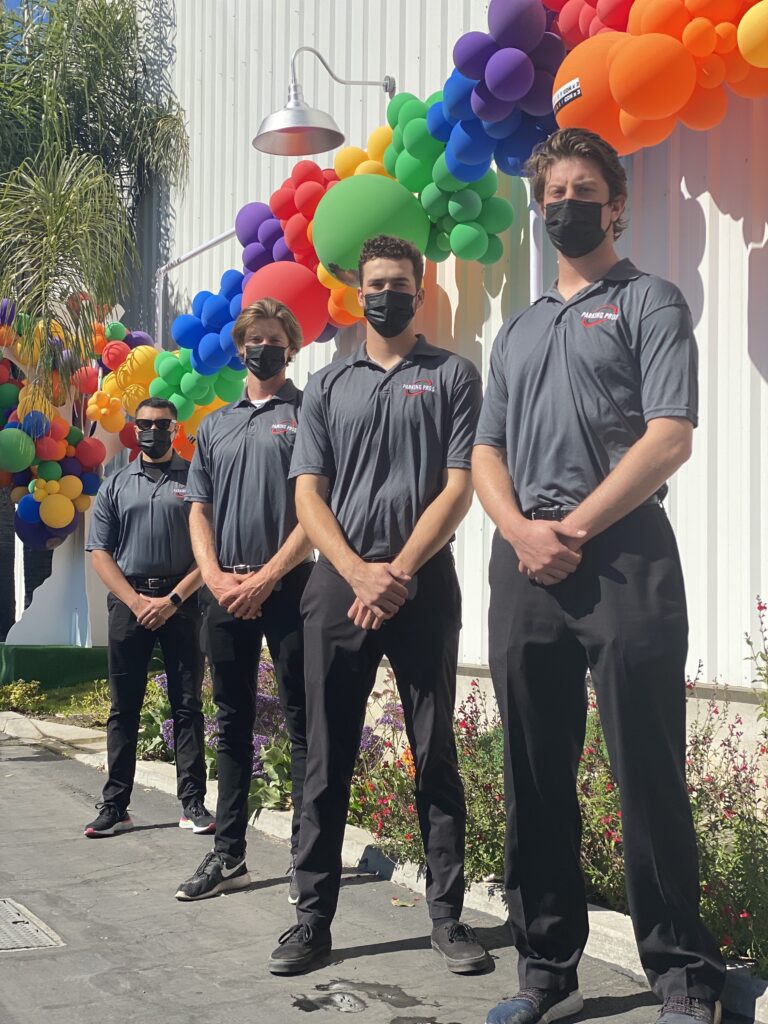
Booking a private event valet should simplify your logistics and heighten the guest experience. When it is planned and executed with care, valet reduces arrival friction, keeps curbside organized, and provides a polished first and last touchpoint. The most common issues arise not from rare edge cases but from avoidable planning gaps.
If you are comparing options for a single event, start by reviewing available private event valet services so your scope and expectations are aligned from day one.
Mistake 1: Booking Too Late To Secure A Site Visit, Permits, And Staffing
Late booking compresses the entire preparation window. That squeeze affects three critical items that should never be rushed: a site visit, any permit requirements, and confirmed staffing.
What to lock in early
- On‑site assessment: Walk the site with your provider to review arrival routes, vehicle turning space, staging location, key exchange location, and the distance to the primary parking area. Document these details with photos and a simple sketch.
- City or venue requirements: Determine whether curb space, meter bags, or sidewalk use needs authorization. Some venues also require a specific certificate of insurance format and named additional insureds.
- Staffing confirmation: Your provider cannot finalize schedules until the site survey and scope are set. The earlier you lock details, the easier it is to secure the right number of attendants and supervisors.
Practical booking timeline you can reuse
- 8 to 10 weeks out: Select your provider and schedule the site visit. Share guest count and arrival window.
- 6 to 8 weeks out: Approve the traffic plan and confirm any permit needs.
- 4 to 6 weeks out: Finalize staffing, equipment list, signage plan, radios, and digital or paper ticketing.
- 2 weeks out: Confirm final guest counts, VIP list, and arrival schedule. Share updated floor plan or program timing.
For weddings and venues that need both curbside service and transportation between locations, consider wedding valet and shuttle services to unify planning under one coordinated team.
Mistake 2: Underestimating Staffing For Arrival And Departure Surges
Long lines form when staffing does not match the brief surge in the first 20 to 40 minutes. This is not just about total guests. It is about how many vehicles arrive in the same window and the time it takes to stage, park, and return each car.
How to estimate staffing with your provider
- Calculate a vehicle estimate: Multiply expected attendees by the percentage likely to arrive by personal vehicle. Consider any rideshare or shuttle use that reduces the total.
- Identify the busiest 15 minutes: Use the event schedule to determine when most guests arrive. Cocktail receptions with a fixed start time often create a sharper arrival curve than open‑house formats.
- Measure real site cycle time: During the site visit, time the walk or golf‑cart trip from drop‑off to the farthest likely parking stall and back. Include elevator or key room steps if applicable. This cycle time drives how many vehicles one valet can process in the peak window.
- Assign roles clearly: Separate curbside greeters, runners, and parkers. Add a supervisor who manages keys, traffic flow, and communication with your coordinator.
Providers that manage busy venues daily maintain strong throughput standards. Reviewing how they resource ongoing valet services can help you align private event staffing to proven operational practices.
Equipment that speeds things up
- Two‑way radios for the team
- Adequate key boards and weatherproof key pouches
- Clear cones and stanchions to define lanes
- High‑visibility signage that is legible from a moving car
- Lighting that eliminates dark gaps at the curb and in the lot
What you should see on the staffing sheet
- Headcount by role and shift time
- Supervisor name and mobile number
- Staging map reference
- Key control plan and lost ticket protocol
- Contingency for a second retrieval queue at the end of night
Mistake 3: Overlooking Permits, Insurance, And Venue Rules
Permits and venue compliance are not afterthoughts. Treat them as part of the core scope. Requirements vary by location, and they often specify where vehicles may queue, how signage is displayed, and whether curb space can be reserved.
Your compliance checklist
- Written permission from the venue for valet operations on property
- Any required city authorization for staging on public right of way
- Certificate of insurance naming the venue and any municipal bodies as additional insureds
- ADA access maintained at all ingress and egress
- Fire lane and hydrant clearance maintained at all times
- Temporary signage that complies with local standards
- Plan for waste, spill kits, and lot cleanliness
For a deeper overview of permitting considerations and why they matter, review valet parking permits to understand the documentation and lead times you should expect.
Why a site plan helps permits move faster
A simple diagram labeled with lane directions, cones, stanchions, signage locations, curb space dimensions, ADA paths, and the nearest parking area demonstrates due diligence. It also gives every stakeholder a shared reference.
Mistake 4: Treating Valet As Purely Logistical And Not As A Guest Experience
Valet is your first impression. It should be easy, polite, and orderly. When guest experience details are skipped, even small friction points at the curb can color how attendees remember the event.
Experience standards to specify
- Greeting: Warm welcome, clear instructions, and a confident handoff of keys.
- Signage and wayfinding: Signs that are visible from the roadway and again at the drop‑off point. Provide a second sign pointing to the check‑in entrance.
- Lighting and safety: Illuminate the curb, walkway, and any uneven surfaces.
- Accessibility: Identify the closest accessible route from drop‑off to entrance and keep it unobstructed.
- Return process: End‑of‑night flow that prioritizes safety, order, and clear instructions for retrieval.
Sectors that operate at high volumes use valet service to reduce stress for visitors. Reviewing a hospital valet parking service illustrates how consistent courtesy, clear directions, and efficient movement improve outcomes for guests who may already be anxious.
For a more strategic view of the connection between curbside operations and attendee sentiment, see how valet services elevate customer satisfaction. The same principles translate directly to weddings, galas, and private parties.
Small details with outsized impact
- Branded or neatly presented podium and cones
- Weather‑appropriate attire and name badges for attendants
- A clearly visible overflow plan that does not spill into neighboring driveways
- Friendly prompts for rideshare users to avoid blocking the lane
Mistake 5: Weak Communication Before And During The Event
Even an experienced team needs accurate information, timely updates, and a single point of contact. Where details are missing, operations slow down and small issues compound.
Build a complete valet packet
- Event timeline: Start, ceremony or program transitions, speeches, dessert service, and estimated last call.
- Guest count and arrival window: Include VIPs, vendors, and any early or late arrivals.
- Load‑in notes: When the valet team can set cones, signs, and the podium.
- Radio channel plan: Who contacts whom, and backup if radios fail.
- Key control: Ticket format, numbering, and where the key board lives.
- Emergency procedures: Who to call for towing, incidents, or lost items.
- Map set: Staging, ADA path, nearest accessible parking, and overflow lot.
Answering common planning questions upfront reduces back‑and‑forth on event week. Direct your team to the event FAQ so everyone references the same standards.
Run‑of‑show checklist you can copy
- Curb cleared and signed before first arrival
- Radios checked and assigned to supervisor and runners
- Lighting on and sightlines confirmed
- Second queue cones ready for end‑of‑night retrieval
- Incident log and spare tickets at the podium
- Weather check and any canopy or umbrella plan if needed
How To Select A Provider Who Will Help You Avoid These Mistakes
Selecting a partner is not just about price. It is about who will proactively plan with you, show up prepared, and communicate clearly.
Questions that reveal preparedness
- Will a manager attend the site visit and event day
- How are staff trained on hospitality and safety
- What is the plan for a concentrated arrival in a 20 minute window
- How are keys controlled and audited
- How is the end‑of‑night retrieval organized to minimize wait times
For a structured screening process, use these valet hiring tips to evaluate experience, training, and communication.
Private Event Valet Considerations By Event Type
Different formats create different traffic patterns. Align the curb plan to the schedule.
Weddings
- Ceremony start times create a sharp arrival peak.
- Consider a second greeter directing immediate family and elderly guests.
- Unified planning helps when you require both shuttle and curbside.
Private parties
- Staggered arrivals reduce the initial spike.
- Consider on‑site signage that separates rideshare from valet.
- Use a small overflow staging plan so the lane does not back up.
For more event‑specific planning ideas, explore dedicated valet parking for private parties guidance that focuses on residential streets, HOA rules, and neighbor communication.
Corporate and gala
- A fixed program start time often mirrors wedding‑style spikes.
- Sponsors and VIPs may need priority return lanes at departure.
- Consider a second podium or satellite greeter for large venues.
Technology, Ticketing, And Curbside Layout That Keep Things Moving
Thoughtful tools and layout choices save minutes at the curb. Minutes saved multiply quickly during peak windows.
Ticketing and communication
- Choose a digital or paper ticketing method that your audience can follow easily.
- If using digital tickets, confirm cellular coverage or provide a local Wi‑Fi network for the team device.
- Establish a clear radio protocol to call cars forward before guests reach the podium.
Curbside layout
- Place the podium so vehicles do not stack into cross traffic.
- Use cones to define an arrival lane and a bypass lane.
- Keep a short buffer between the drop‑off point and the cone line so attendants can open doors safely.
To review broader approaches that combine people, process, and tools, scan the available valet parking solutions that support both one‑time events and ongoing venues.
Your Pre-Event Valet Planning Checklist
Use this checklist during the site visit and your final planning call. It highlights the details that most often prevent issues on event day.
Event Basics
- Date, venue, coordinator contact, valet supervisor contact
- Expected headcount, estimated vehicle count, arrival window
- VIP list and special access needs
Site Measurements
- Curb frontage available for staging
- Distance to parking area and round-trip walk or cart time
- ADA route from drop-off to entrance
Compliance
- Venue approval for valet operations
- Any city permit documents and reference numbers
- Certificate of insurance requirements and submission deadline
Equipment
- Podium, key boards, radios, cones, stanchions, sign stands
- Lighting plan for both curb and lot
- Weather plan and any canopy needs
End-of-Night Flow
- Retrieval lane layout, second queue plan, and staff assignments
- Traffic officer or additional greeter if venue exits to a busy arterial
- Overflow vehicles plan if the lot reaches capacity
Guest Communication That Reduces Curbside Questions
Guests will follow simple, clear instructions when you provide them early.
What to include in your invitations, website, or reminder email
- Exact drop‑off location with landmark
- A short sentence on where vehicles will be parked
- Whether tips are accepted or included
- The recommended rideshare drop zone if guests prefer that option
- Accessibility note for guests who need the shortest route to the entrance
If you want a concise one‑pager for your team or venue contact, a brief overview about us helps stakeholders understand your provider’s credentials and scope quickly.
Making Your Valet Plan Work in Real Conditions
Avoiding late booking, right‑sizing staffing, closing compliance requirements, shaping the guest experience, and communicating clearly will eliminate the most common issues planners face. Use the timeline, staffing method, compliance checklist, and run‑of‑show items in this guide to build a curb plan that works under real event conditions.
When you are ready to compare options or formalize scope, you can request a quote and confirm availability through the contact page. If your internal team needs quick reference points for common planning questions, keep the event FAQ close at hand so everyone stays aligned on standards.