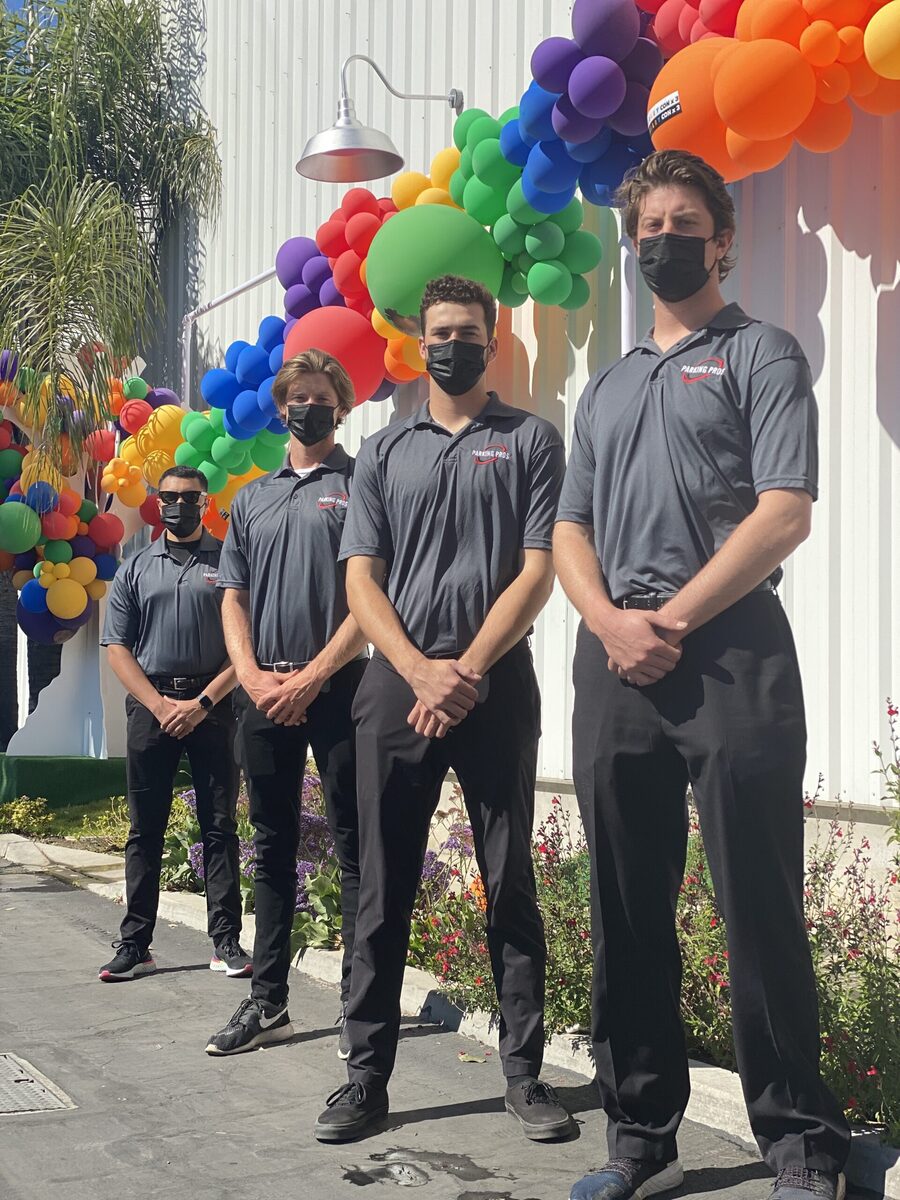
Booking a private event valet should simplify your logistics and heighten the guest experience. When it is planned and executed with care, valet reduces arrival friction, keeps curbside organized, and provides a polished first and last touchpoint. The most common issues arise not from rare edge cases but from avoidable planning gaps.
If you are comparing options for a single event, start by reviewing available private event valet services so your scope and expectations are aligned from day one.
Mistake 1: Booking Too Late To Secure A Site Visit, Permits, And Staffing
Late booking compresses the entire preparation window. That squeeze affects three critical items that should never be rushed: a site visit, any permit requirements, and confirmed staffing.
What to lock in early
Practical booking timeline you can reuse
- 8 to 10 weeks out: Select your provider and schedule the site visit. Share guest count and arrival window.
- 6 to 8 weeks out: Approve the traffic plan and confirm any permit needs.
- 4 to 6 weeks out: Finalize staffing, equipment list, signage plan, radios, and digital or paper ticketing.
- 2 weeks out: Confirm final guest counts, VIP list, and arrival schedule. Share updated floor plan or program timing.
For weddings and venues that need both curbside service and transportation between locations, consider wedding valet and shuttle services to unify planning under one coordinated team.
Mistake 2: Underestimating Staffing For Arrival And Departure Surges
Long lines form when staffing does not match the brief surge in the first 20 to 40 minutes. This is not just about total guests. It is about how many vehicles arrive in the same window and the time it takes to stage, park, and return each car.
How to estimate staffing with your provider
- Calculate a vehicle estimate: Multiply expected attendees by the percentage likely to arrive by personal vehicle. Consider any rideshare or shuttle use that reduces the total.
- Identify the busiest 15 minutes: Use the event schedule to determine when most guests arrive. Cocktail receptions with a fixed start time often create a sharper arrival curve than open‑house formats.
- Measure real site cycle time: During the site visit, time the walk or golf‑cart trip from drop‑off to the farthest likely parking stall and back. Include elevator or key room steps if applicable. This cycle time drives how many vehicles one valet can process in the peak window.
- Assign roles clearly: Separate curbside greeters, runners, and parkers. Add a supervisor who manages keys, traffic flow, and communication with your coordinator.
Providers that manage busy venues daily maintain strong throughput standards. Reviewing how they resource ongoing valet services can help you align private event staffing to proven operational practices.
Equipment that speeds things up
- Two‑way radios for the team
- Adequate key boards and weatherproof key pouches
- Clear cones and stanchions to define lanes
- High‑visibility signage that is legible from a moving car
- Lighting that eliminates dark gaps at the curb and in the lot
What you should see on the staffing sheet
- Headcount by role and shift time
- Supervisor name and mobile number
- Staging map reference
- Key control plan and lost ticket protocol
- Contingency for a second retrieval queue at the end of night
Mistake 3: Overlooking Permits, Insurance, And Venue Rules
Ready to book?
Get a free quote in 60 seconds.